Two of the world's most important diseases are linked to water. Malaria is spread by mosquitoes that breed in still water; cholera is spread by drinking water contaminated with sewage. This topic covers how they spread and how they are controlled.
3.3.1 How mosquitoes spread malaria
Definition A vector is an organism that carries a disease-causing organism (a pathogen) from one host to another without getting the disease itself.
Malaria is caused by a single-celled parasite called Plasmodium. It is not caught directly from another person; it is spread by mosquitoes.
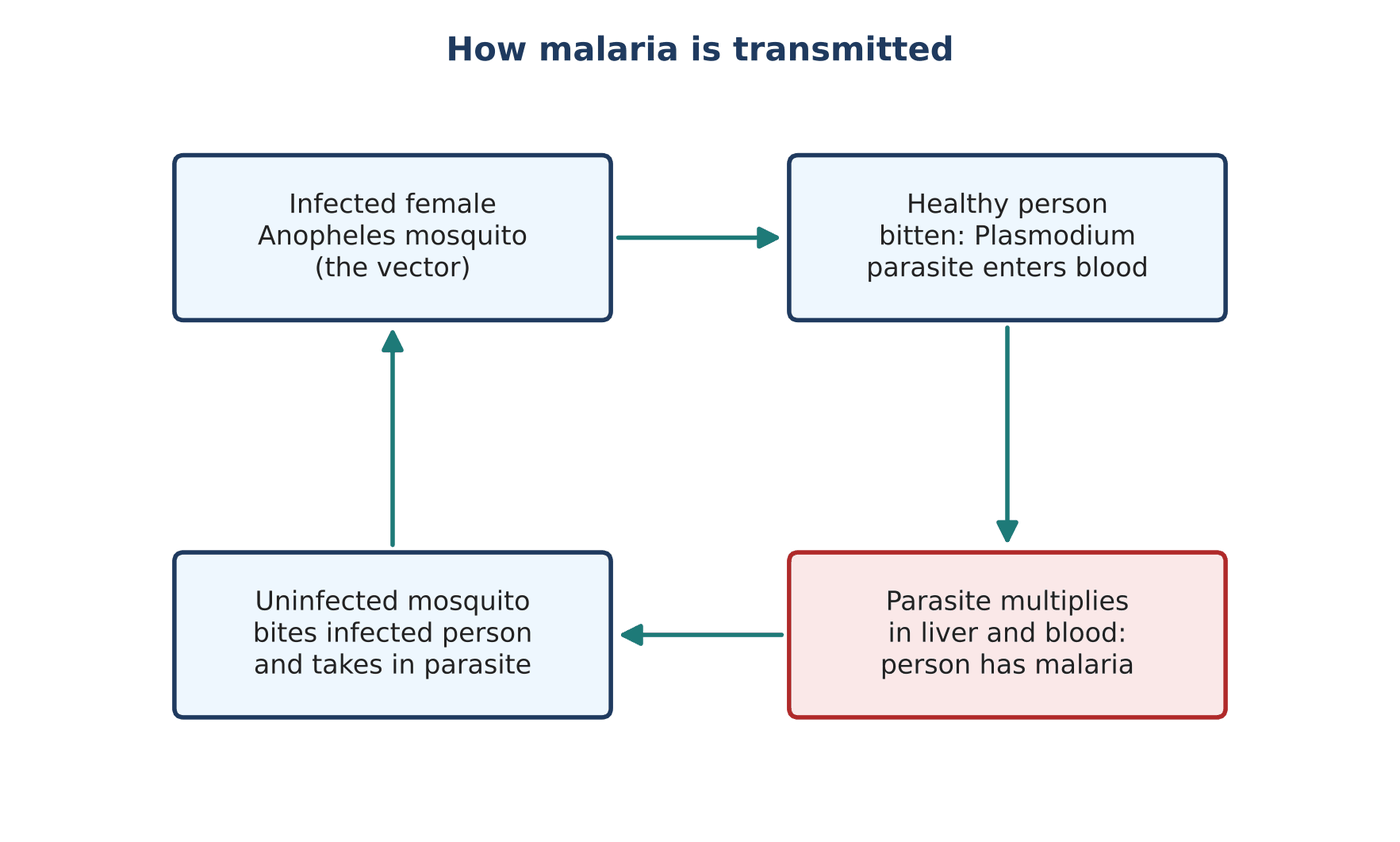
Figure 1: The transmission cycle of malaria
- Female Anopheles mosquitoes are the vector. Only females bite, because they need a blood meal to produce eggs.
- The Plasmodium parasite is transmitted to humans when they are bitten by an infected mosquito. The parasite enters the blood, travels to the liver, multiplies, and then infects red blood cells, causing fever, chills and, in severe cases, death.
- The parasite is transmitted to non-infected mosquitoes when they feed on the blood of infected humans. The cycle then continues.
Mosquitoes lay their eggs in still water, such as ponds, puddles, water tanks, blocked drains, rice paddies and old tyres, which is why malaria is a water-related disease. It is most common in warm, wet tropical regions, especially in sub-Saharan Africa.
🔒 Also in the full notes
- 3.3.2 Strategies to control malaria
- 3.3.3 Strategies to control cholera
- 3.3.4 Benefits and limitations of strategies to control water-related diseases
- Exam practice: 7 practice questions
- 1 exemplar answer with a full model answer and mark breakdown
- Where students commonly lose marks