HL only This tool is for Higher Level students.
To beat competitors a business must be cheaper or different — for the whole market or for one corner of it.
Guiding question
What is the source of a business's competitive advantage — and what happens if it tries to have every advantage at once?
Success criteria
- I can explain Porter's four generic strategies
- I can identify the generic strategy a business is following and justify the classification
- I can evaluate the suitability and risks of each strategy, including being 'stuck in the middle'
HL only
This tool is HL only. The guide suggests it for units 1 and 4 — business growth and objectives (1.3, 1.5) and positioning and the marketing mix (4.2, 4.5).
1. What it is and when to use it
Definition Porter's generic strategies (Michael Porter) classify the ways a business can gain competitive advantage by combining its source of advantage (lower cost or differentiation) with its competitive scope (broad market or narrow segment), giving four strategies: cost leadership, differentiation, cost focus and differentiation focus.
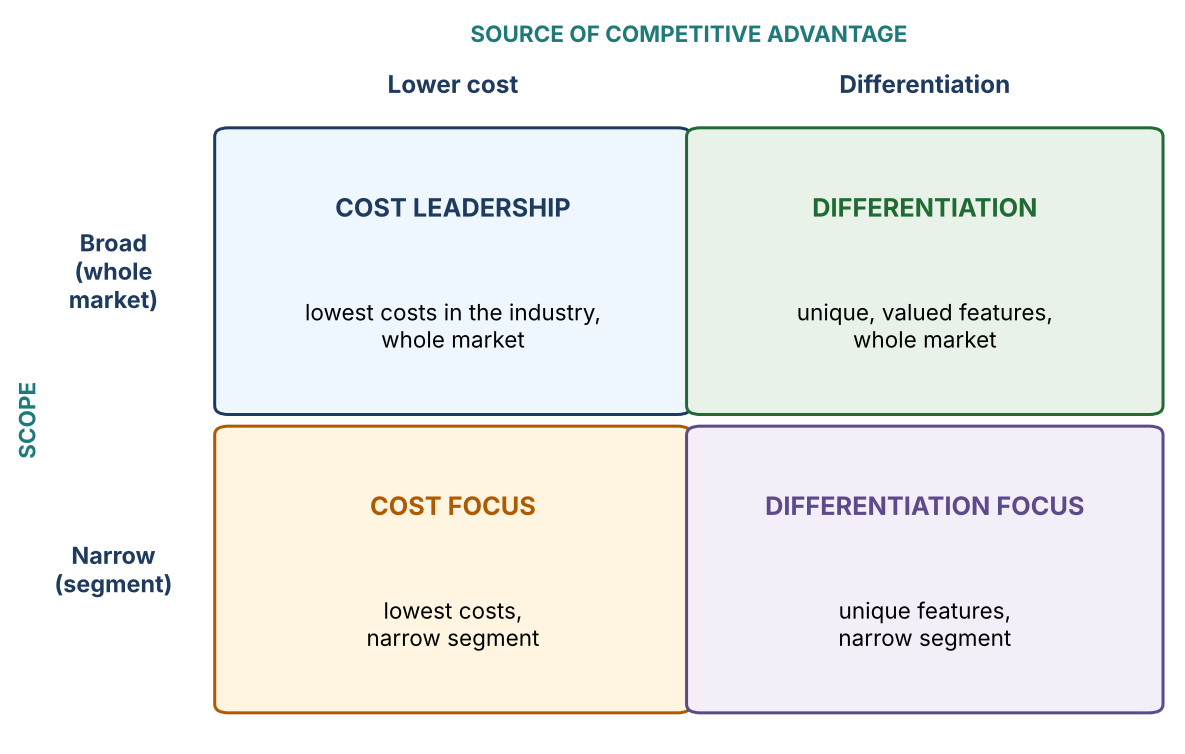
Figure 1: Porter's four generic strategies
| Strategy | How the advantage is created | Typical example |
|---|---|---|
| Cost leadership | Lowest costs in the industry through scale, efficiency and simple products; average prices yield above-average profit, or low prices win share | Large value retailers and budget airlines |
| Differentiation | Unique features customers value — brand, design, quality, service — across a broad market, supporting premium prices | Premium consumer- electronics and car brands |
| Cost focus | Lowest costs serving a narrow segment | A budget hostel chain serving backpackers |
| Differentiation focus | Specialised, distinctive products for a narrow segment | Luxury bridal designers; specialist sports equipment |
Porter warned that a firm trying to be both cheapest and most distinctive for everyone risks being 'stuck in the middle': higher costs than the cost leader and less distinctiveness than the differentiators.
🔒 Also in the full toolkit page
- 2. Worked example
- 3. Blank template
- 4. Exam-style question
- Exam practice: 3 questions with mark allocations
- 1 exemplar answer with model answers and examiner-style commentary
- Where students commonly lose marks