Level: SL and HL
Instead of take, make and throw away, circular businesses design waste out — and often find new revenue in the process.
Guiding question
Can a business make more money by selling fewer new things?
Success criteria
- I can explain the five circular business models named in the guide
- I can apply a circular business model to a business in a case study
- I can evaluate the benefits and challenges of moving to a circular model
1. What it is and when to use it
Definition A circular business model creates value by keeping products and materials in use for as long as possible, rather than the linear model of take, make, use and dispose.
The guide names five models: circular supply models, resource recovery models, product life extension models, sharing models and product service system models.
The guide names five models: circular supply models, resource recovery models, product life extension models, sharing models and product service system models.
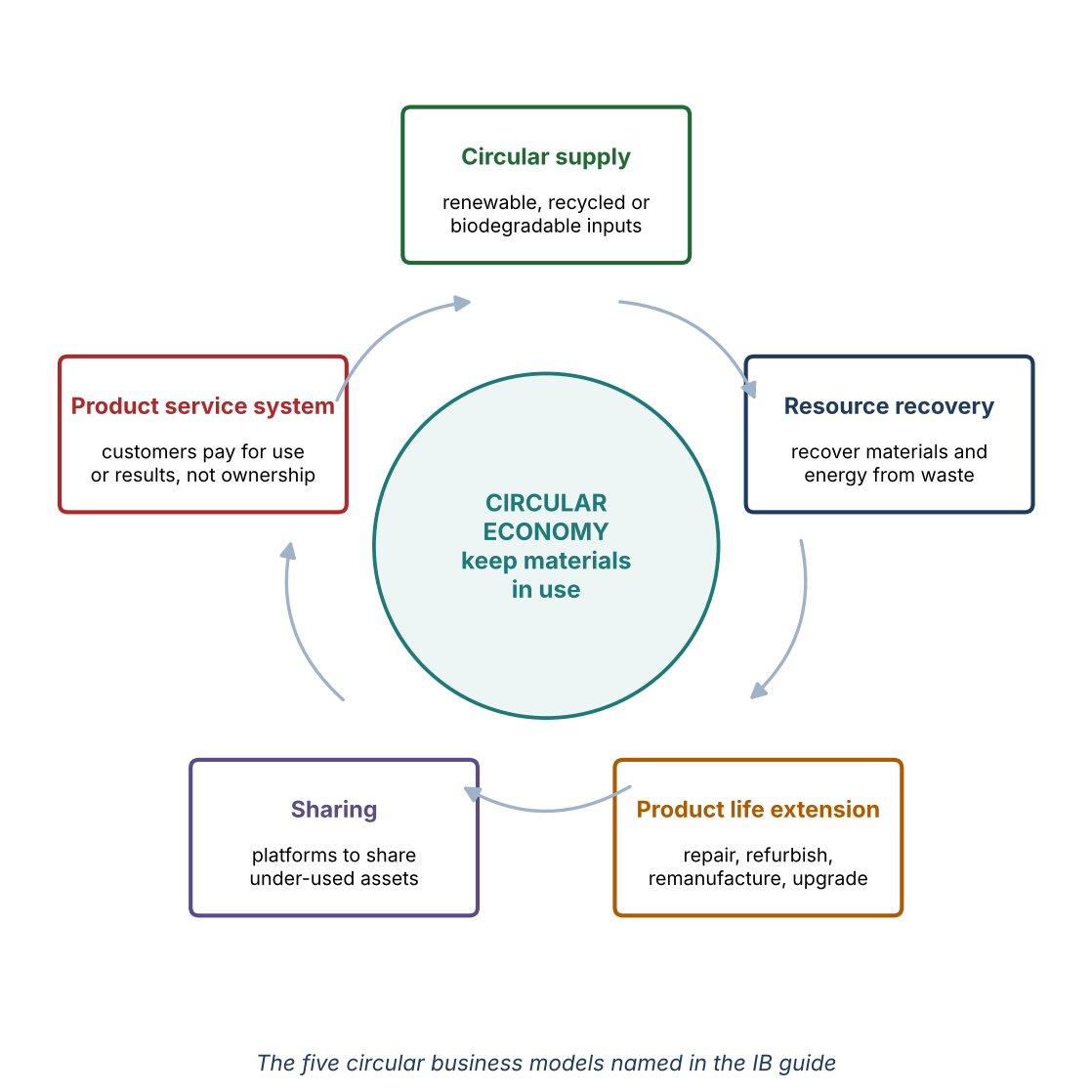
Figure 1: The five circular business models
| Model | How it works | Illustration |
|---|---|---|
| Circular supply | Replace finite inputs with renewable, recycled or biodegradable ones | Tableware made from sugarcane bagasse instead of plastic |
| Resource recovery | Recover materials or energy from waste and by-products | Recycling PET bottles into polyester fibre for clothing |
| Product life extension | Repair, refurbish, remanufacture or upgrade products to use them longer | Refurbished smartphones sold with a warranty |
| Sharing | Increase the use of under-used assets by sharing them | Car-sharing, co-working spaces, tool-rental platforms |
| Product service system | Customers pay for access, use or results; the firm keeps ownership | Leasing lighting 'as a service' or office furniture by the month |
Level: SL and HL. The guide suggests circular business models for units 1 and 5 — business objectives and CSR (1.3), operations and sustainability (5.1) and lean production and cradle to cradle design (5.3).
🔒 Also in the full toolkit page
- 2. Worked example
- 3. Blank template
- 4. Exam-style question
- Exam practice: 3 questions with mark allocations
- 1 exemplar answer with model answers and examiner-style commentary
- Where students commonly lose marks